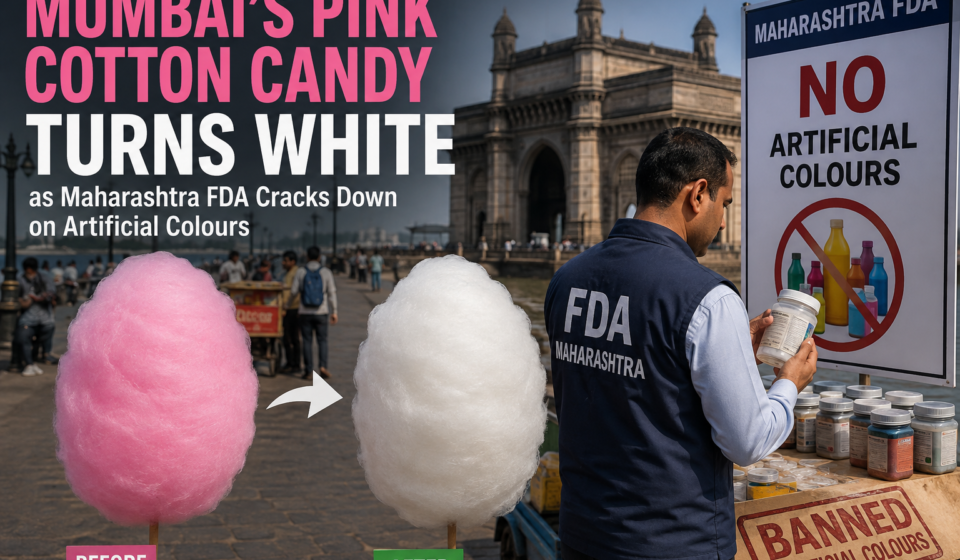

Mumbai: For many people in Mumbai, cotton candy—popularly called “buddhism ke baal”—is more than just a street snack. Its bright pink colour has been a familiar part of childhood memories.
Mumbai: For many people in Mumbai, cotton candy—popularly called “buddhism ke baal”—is more than just a street snack. Its bright pink colour has been a familiar part of childhood memories.
Why has the pink colour disappeared?
Cotton candy itself is made mainly from sugar. The familiar pink, blue or other bright colours come from added food colours.
The Maharashtra FDA is responsible for enforcing food-safety laws in the state, including rules related to food additives and colouring substances. Its recent wider crackdown has targeted food adulteration and other food-safety violations.
This does not mean that every artificial food colour is automatically illegal. Food colours can be permitted when they meet the required safety standards and are used within the rules. The problem is the use of colours that are not permitted, unsafe, or used improperly.(Maharashtra FDA)
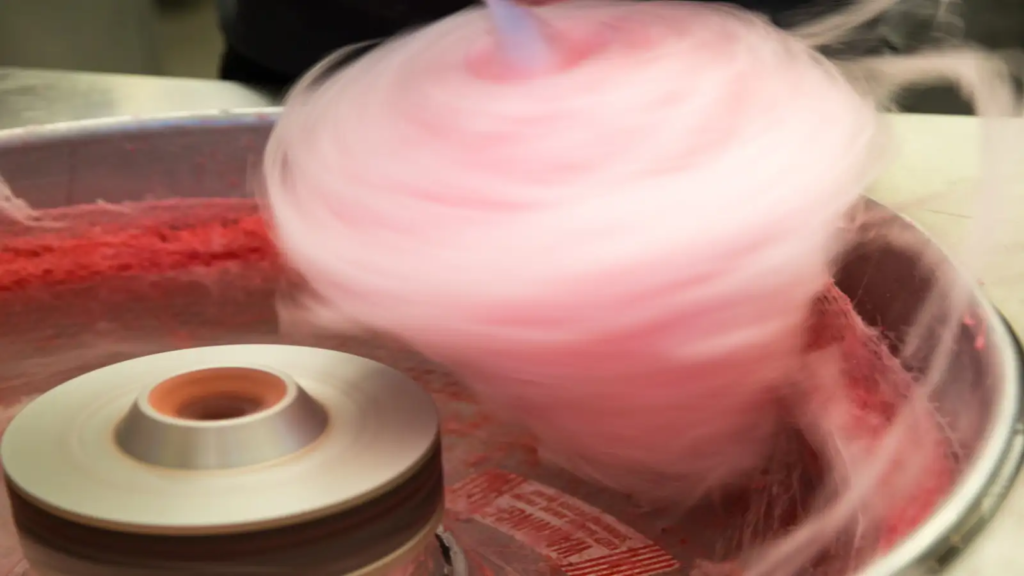
From colourful memories to plain white.(Maharashtra FDA)
The bright pink “buddhism ke baal” that many people remember from childhood may now look surprisingly different. Without added colouring, cotton candy is naturally much closer to white.
The change has also attracted attention online, with people noticing that familiar street foods are losing their unusually bright colours as food-safety enforcement becomes stricter. A similar reaction was seen recently when people noticed less brightly coloured jalebi and linked the change to the Maharashtra FDA’s crackdown.
Is white cotton candy safe? (Maharashtra FDA)
The colour alone does not tell you whether cotton candy is safe or unsafe. White cotton candy is simply less coloured. What matters is the quality of the ingredients, hygiene, and whether any food additives used are permitted and within legal limits.
For consumers, the bigger message is simple: food does not need to look extremely bright to be good.
So, if your childhood “buddhism ke baal” suddenly looks white instead of pink, it may feel strange—but it is also a reminder that the colour of food should not be more important than its safety.(Maharashtra FDA)